Blog
Do You Need an Electrician to Add Extra Sockets?
Start with the way you use the room
An extra socket can seem like a simple fix when extension leads are spreading across the floor. But the useful first step is to work out what you need the socket to do. Is it for a fixed appliance in a new location, or several items that move around? Will it need to sit behind furniture, near a worktop or somewhere accessible?
Make a note of the appliances you expect to use at the same time. A phone charger and a high-demand appliance place very different demands on a circuit. The number of sockets on a wall does not tell you how much spare capacity the wiring has, so this list is useful context, not a way to approve the circuit yourself.
Safe checks you can make without tools
Walk through the room and note the position of existing sockets, switches and larger appliances. Look for visible cable routes, surface trunking or signs that the room has been altered before. You can also check whether a socket is awkward to reach or whether its location would make a trailing lead cross a doorway or regular walking route.
Observe how the existing installation behaves during normal use. If a circuit trips, a socket feels unusually warm, or you notice a burning smell, buzzing, scorch marks or damage, stop using the affected outlet and seek electrical advice. Do not keep resetting a tripping circuit to see whether it holds. Repeated trips can indicate a fault or an overloaded circuit, and the cause needs to be identified rather than worked around.
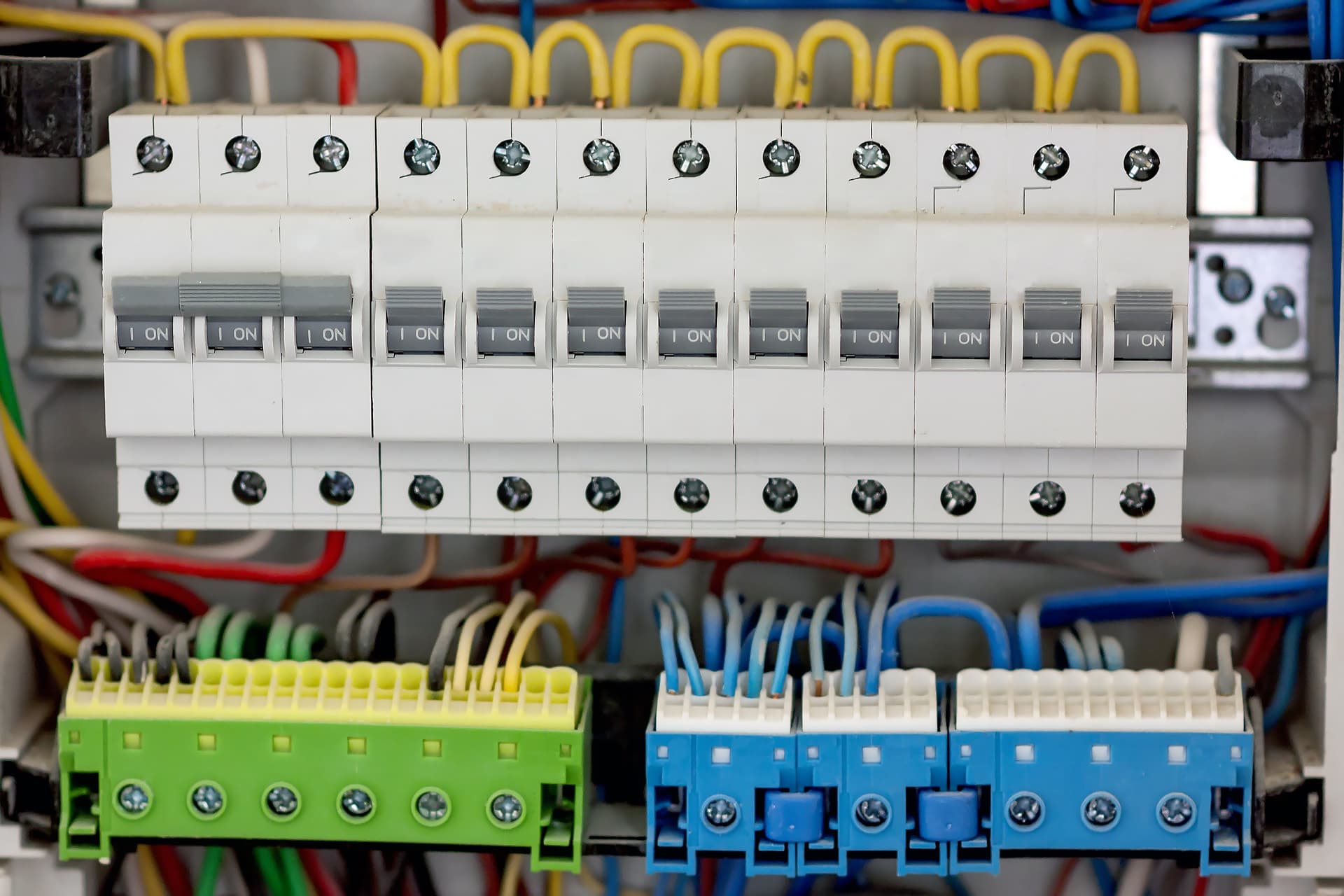
You can look at the consumer unit (fuse box) from the outside and note any labels that identify circuits. Do not remove its cover or touch internal parts. Labels may be missing or out of date, so treat them as clues rather than proof of which circuit serves a particular socket.
What these observations cannot tell you
A visual check cannot show whether a cable is connected correctly, whether safety measures are in place or whether the circuit can safely supply the extra appliances. Nor does an unused-looking socket prove that the circuit has spare capacity. The wiring may have been extended, altered or damaged, and parts of it are concealed behind walls, floors or fittings.
The way to establish what is suitable is to assess the existing circuit and test it with appropriate equipment. The electrician can then consider whether an existing circuit can be extended, whether a separate circuit is more appropriate, and how the cable can reach the proposed position. The answer depends on the wiring, the intended use and the route through the property, not simply on how close the consumer unit is.
Make the visit more useful
Before arranging the work, share your notes about appliance use, socket locations and any trips or visible damage. Mark the preferred position with a removable note, and mention any practical constraints such as fitted units, tiled walls or furniture that is difficult to move. You do not need to take sockets apart or expose wiring to provide useful information.
It is also worth being clear about the finish you want. A cable route concealed in a wall may involve making good afterwards, while a surface route can avoid some building work but will remain visible. The available route and the construction of the wall affect what can be done neatly and safely. An electrician can explain the realistic options once the installation has been assessed.
Avoid treating a multiway adaptor or extension lead as a permanent substitute for a properly planned socket arrangement, particularly where several appliances are used together. If the need is ongoing, explain that pattern of use when seeking advice. It helps distinguish a one-off convenience from a change in how the room is powered.
Where the electrician’s role begins
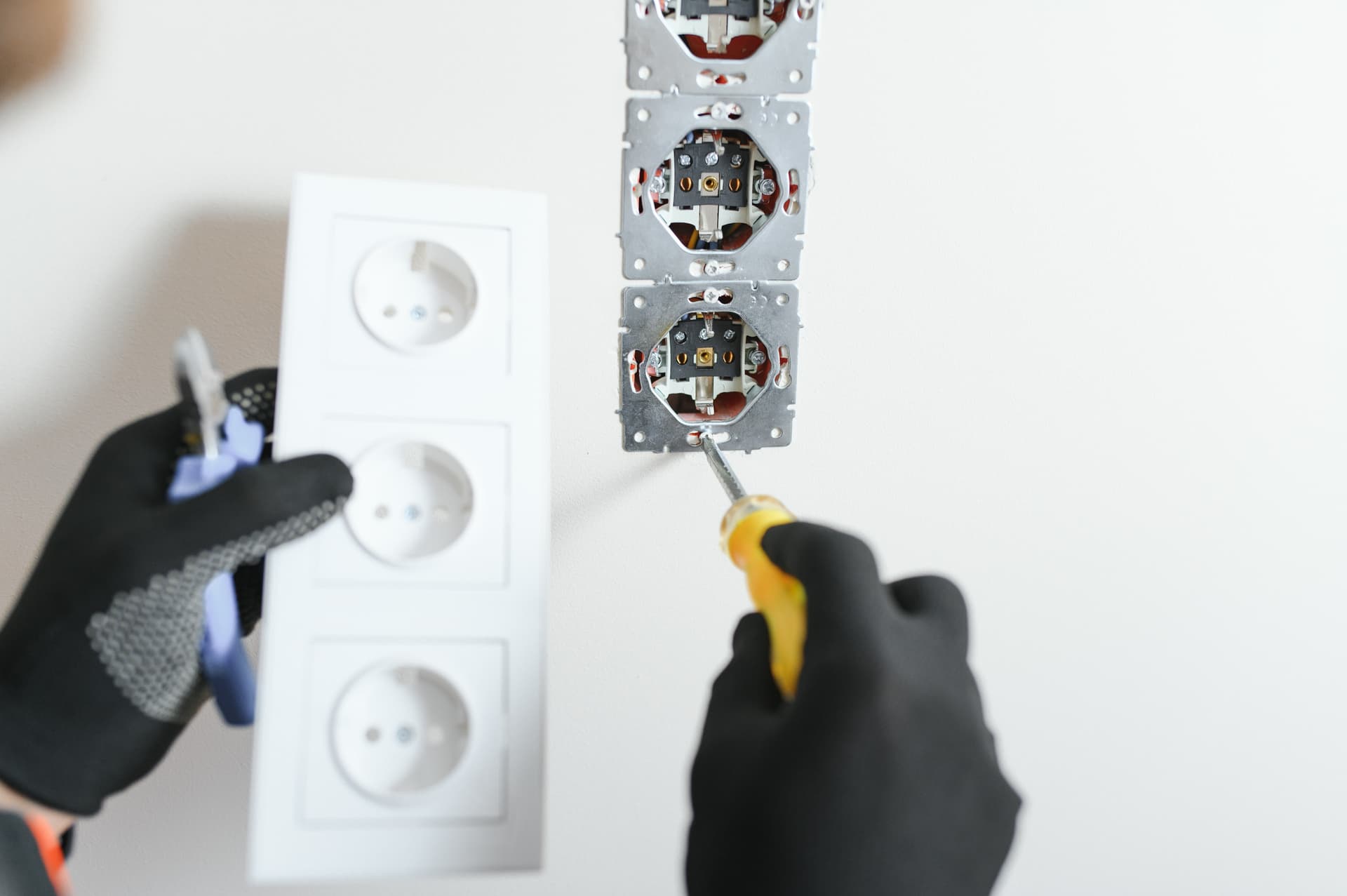
Once the task involves changing fixed wiring, deciding how a circuit can be extended or confirming that the finished installation is safe, it is time for a qualified electrician. That work involves more than fitting a faceplate: the existing circuit and the completed work need appropriate checks. Do not cut into a wall or connect electrical wires yourself based on socket position or a consumer unit label.
For a home in Oxford, we can discuss the proposed socket locations and the way you use the room as part of our Domestic Electrical Installations service. Here at A H Electrical ltd , we are NICEIC Approved, and we can assess the installation before advising on a suitable approach.
Other Articles