
Blog
Do You Replace the Consumer Unit as Part of a Rewire?
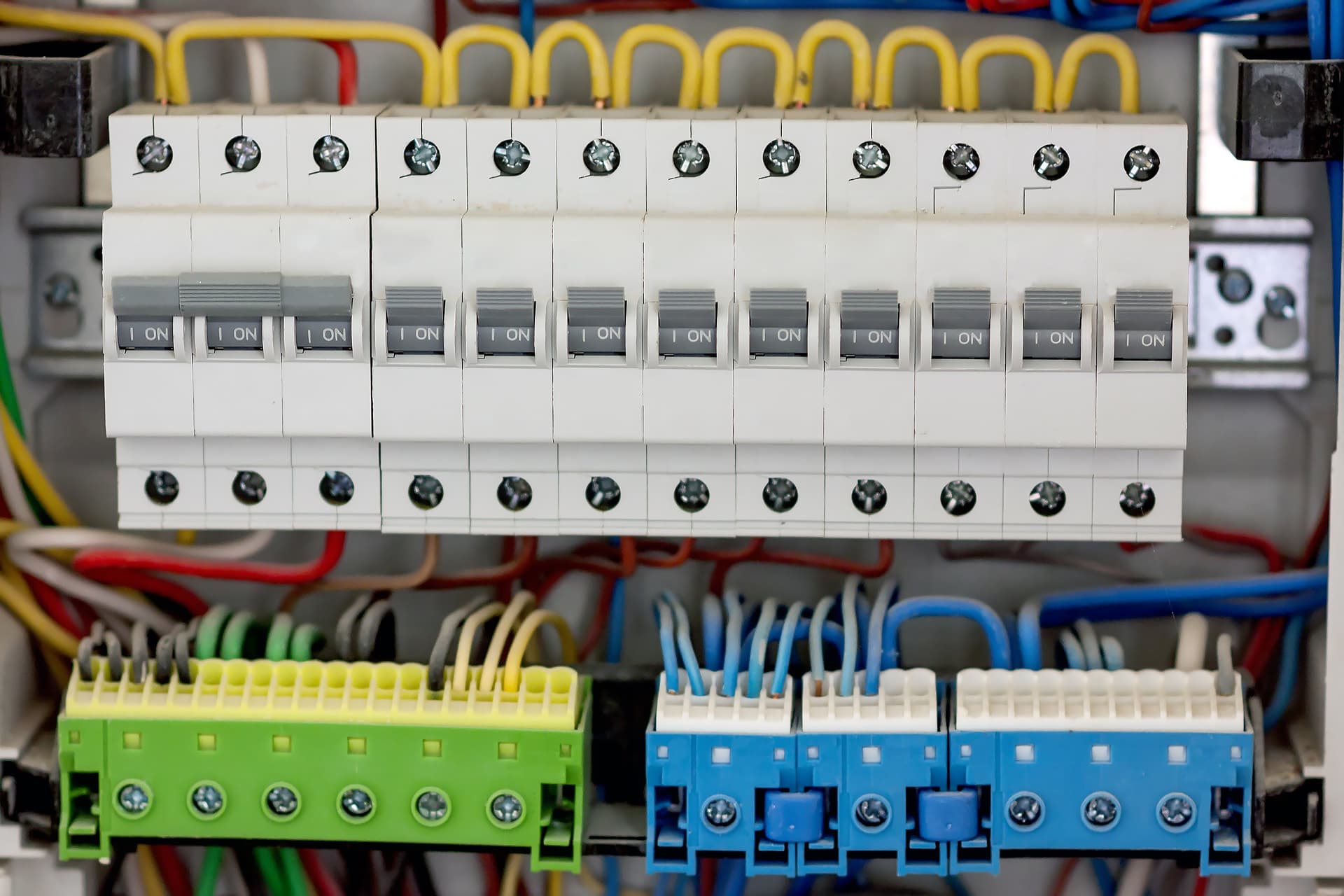
The consumer unit decision is about the whole installation
A rewire renews the circuits that carry electricity around your property. The consumer unit, sometimes called the fuse box, is where those circuits connect to the supply and where their protective devices are housed. Whether it should be replaced depends on how well it can serve the renewed installation, not simply on the fact that you are having new cables fitted.
For homeowners planning a Rewiring project in Oxford, it helps to separate two questions: can the existing unit remain in service, and would keeping it be a sensible choice for the work being planned?
When keeping the existing unit may be an option
An electrician needs to assess the unit and the surrounding installation before recommending that it stays. Its condition matters, as does whether it can accommodate the circuits and safety features needed for the new wiring. The assessment should also consider whether the unit is suitable for the installation as a whole, rather than treating the box as an isolated component.
If it is in suitable condition and can support the planned circuits and protection, retaining it may be a reasonable option. That can avoid replacing a component that does not need changing. But the decision should be based on inspection and testing, not appearance alone. A tidy-looking cover does not establish the condition of the components inside or confirm that the unit is appropriate for the renewed circuits.
Age is relevant context, but it is not a complete decision rule. An older unit may have limitations that become important during a rewire. Equally, age by itself does not explain exactly what needs to be done. The condition, configuration and suitability of the unit all need to be considered together.
When replacement becomes part of the decision
A replacement is more likely to be considered if the existing unit is damaged, unsuitable for the planned circuits, or cannot provide the safety features needed for the installation. The electrician may also find that the planned work changes the circuit layout enough that the existing unit is no longer a practical fit.
That does not mean a rewire automatically requires a new consumer unit. Nor should a decision to retain the unit be made before its compatibility with the finished installation has been established. The important point is to understand the reason for either recommendation. Ask what was found, what the new circuits require, and how the proposed choice affects the completed installation.
A new unit also does not resolve every issue elsewhere in the electrical system. Problems with other parts of the installation still need to be identified and dealt with as part of the work being agreed. Replacing the box without understanding the circuits and supply it serves is not a substitute for assessing the full job.
Compare the choices before work starts
When we discuss a rewire with you, the consumer unit decision should be clear in the proposed scope. If replacement is recommended, ask why the existing unit is unsuitable and what the new unit will accommodate. If retention is proposed, ask how its condition and suitability have been checked against the planned circuits.
It is also useful to consider how you use the property. Changes such as adding circuits or altering how rooms are used can affect what the installation needs to support. Tell your electrician about planned electrical work, not just the immediate rewiring, so the assessment can take the intended layout into account. Avoid assuming that spare-looking space in a unit means it is suitable for every future change.
The practical choice is therefore not simply “old unit or new unit”. It is whether the existing equipment is suitable for the circuits, protection and scope of the work, and whether replacement is justified by the inspection. A clear explanation helps you compare the options without treating an upgrade as automatic or overlooking a genuine limitation.
Get the recommendation in context
Before agreeing to the work, ask for the proposed scope to state whether the consumer unit is being retained or replaced and why. If the recommendation changes after inspection, ask what new information led to that change. The answer should relate to the actual condition and requirements of your installation, rather than a blanket rule that every rewire includes a new unit.
Here at A H Electrical ltd , we work on rewiring projects in Oxford and can discuss how the consumer unit fits into the wider job. If you are weighing up a full or partial rewire, talk through the condition of your existing installation and what you want the finished circuits to support before deciding on the scope.
Other Articles